UNKNOWN DATE
Designer
Wanja Olten
Country
Germany
category
Conceptual & Fine Art
Prize
Official Selection 2026
Short Description
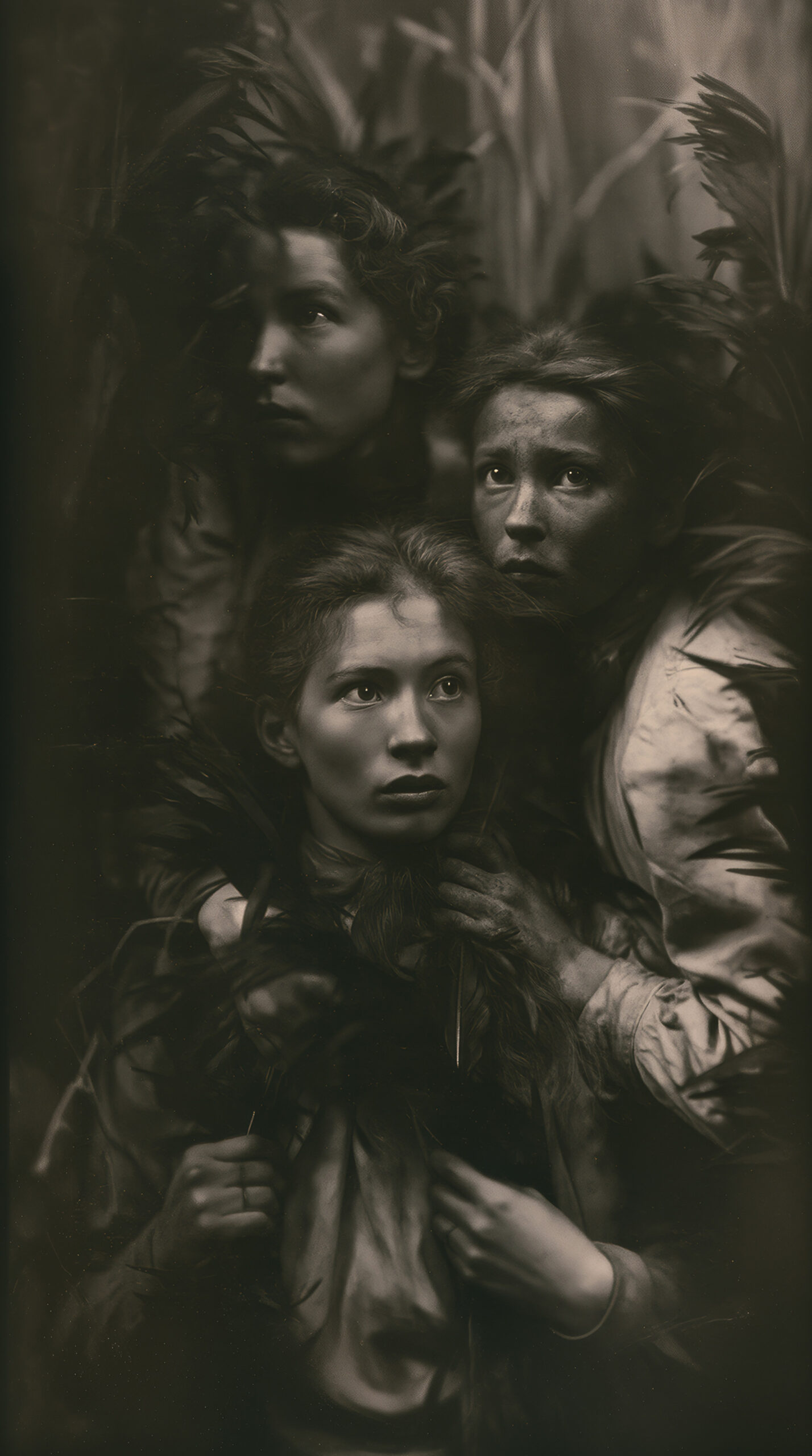
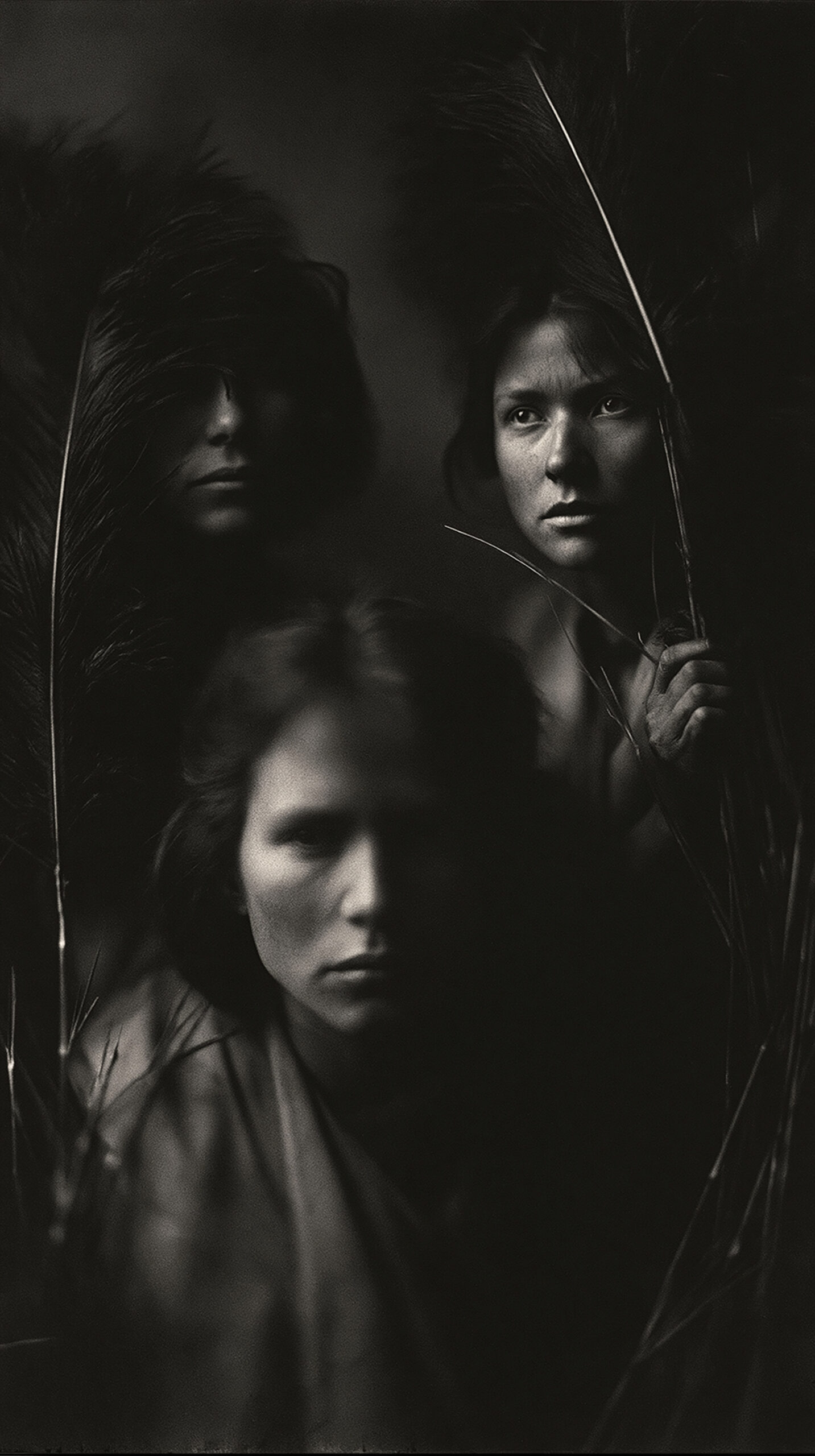
Three young women emerge from dense vegetation, their expressions caught between fear, anticipation and an awareness of something beyond the frame. What happened before the exposure, and what lies outside the photograph, remains unknown. The image appears less constructed than discovered — like a photographic fragment from an event that never took place.
The work belongs to my ongoing series “State Works” — visual states and fragments of an inner mental map. I am interested in how relationships, tensions, gestures and unspoken connections can emerge between figures, and in how generative AI can bring forms to the surface that are not entirely conscious or intentional. In this sense, I approach the model as a kind of image-forming encounter with a collective unconscious: a vast reservoir of human visual memory from which unexpected configurations can emerge.
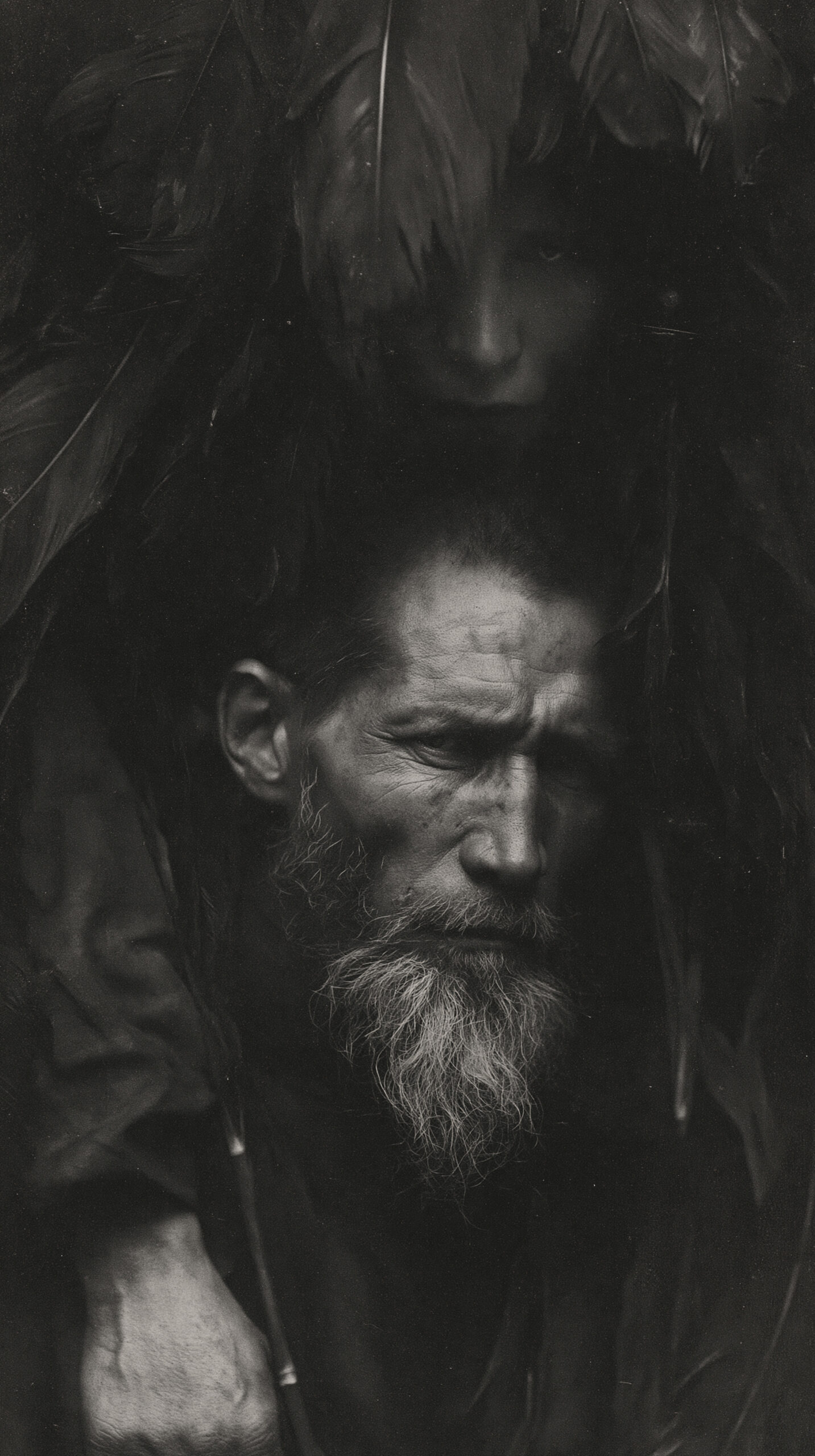
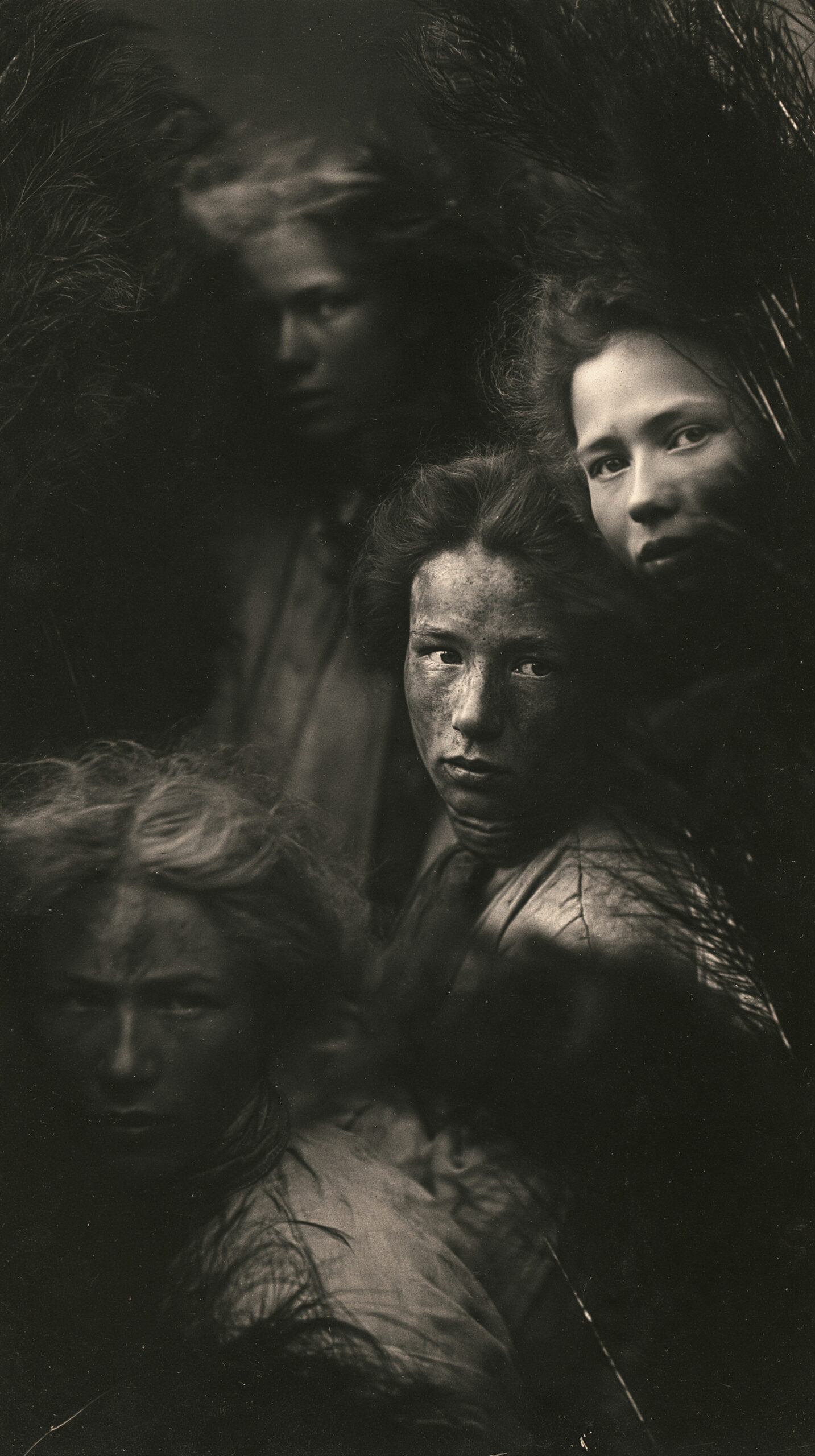
The work is part of an ongoing exploration of AI-generated “daguerreotypes”, connecting the emergence of early photography with generative image-making. Both technologies radically changed what could be considered an image of reality, while introducing new forms of uncertainty into the photographic act. Here, AI is not used simply to imitate the past, but to create the impression of a photographic memory of an impossible event.
Prompt Logic
My prompting approach is less about controlling a specific image than about creating a field in which an image can emerge. I work with clusters of atmospheric, relational and material cues rather than a fully defined scene, leaving space for residual, non-verbal and unexpected qualities to appear.
For this series, I became increasingly interested in images involving several people: the subtle dynamics between them, proximity and distance, cohesion and tension, and small behavioural contrasts in gesture, gaze and posture. I treat the generation process as a form of simultaneous creation, where my intentions and the model’s unpredictable formal responses continuously influence one another.
Process
The work grew out of my interest in the historical moment when photography first became a new way of representing the world. The daguerreotype was not simply a new visual style, but a radical change in the relationship between reality, technology and the image. Its long exposures and imperfect processes could produce accidental traces, ghostly figures and ambiguities beyond the photographer’s intention.
I see a parallel in generative AI. I am interested in the space between intention and emergence: in images that feel discovered rather than fully constructed. This series became an exploration of human relationships — proximity, tension, cohesion and subtle differences in gesture and behaviour — while allowing the generative process to introduce its own unexpected forms.
The main challenge was to preserve ambiguity: to create an image that suggests a story without explaining it.