
Between Us / 02
Short Description
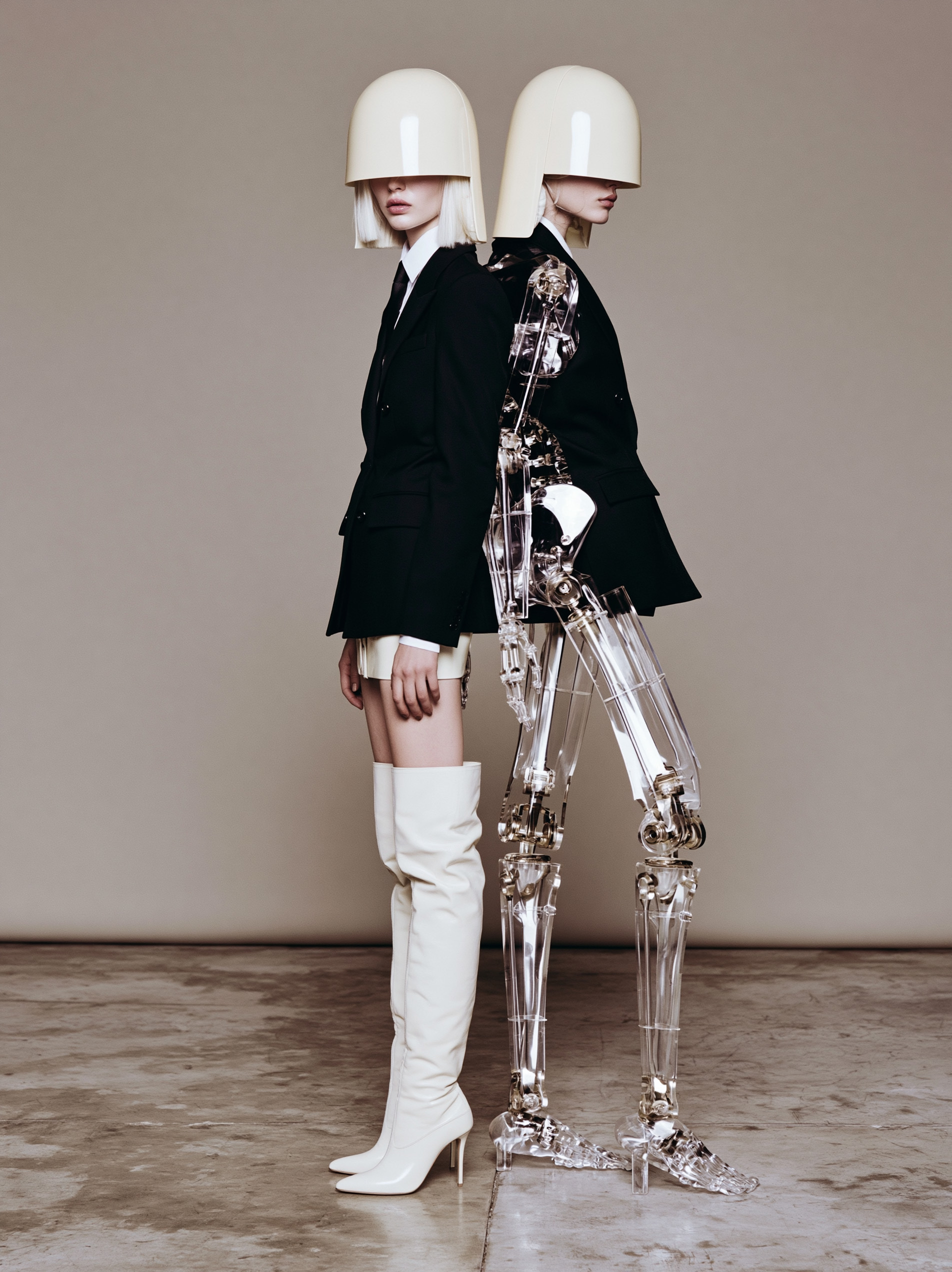
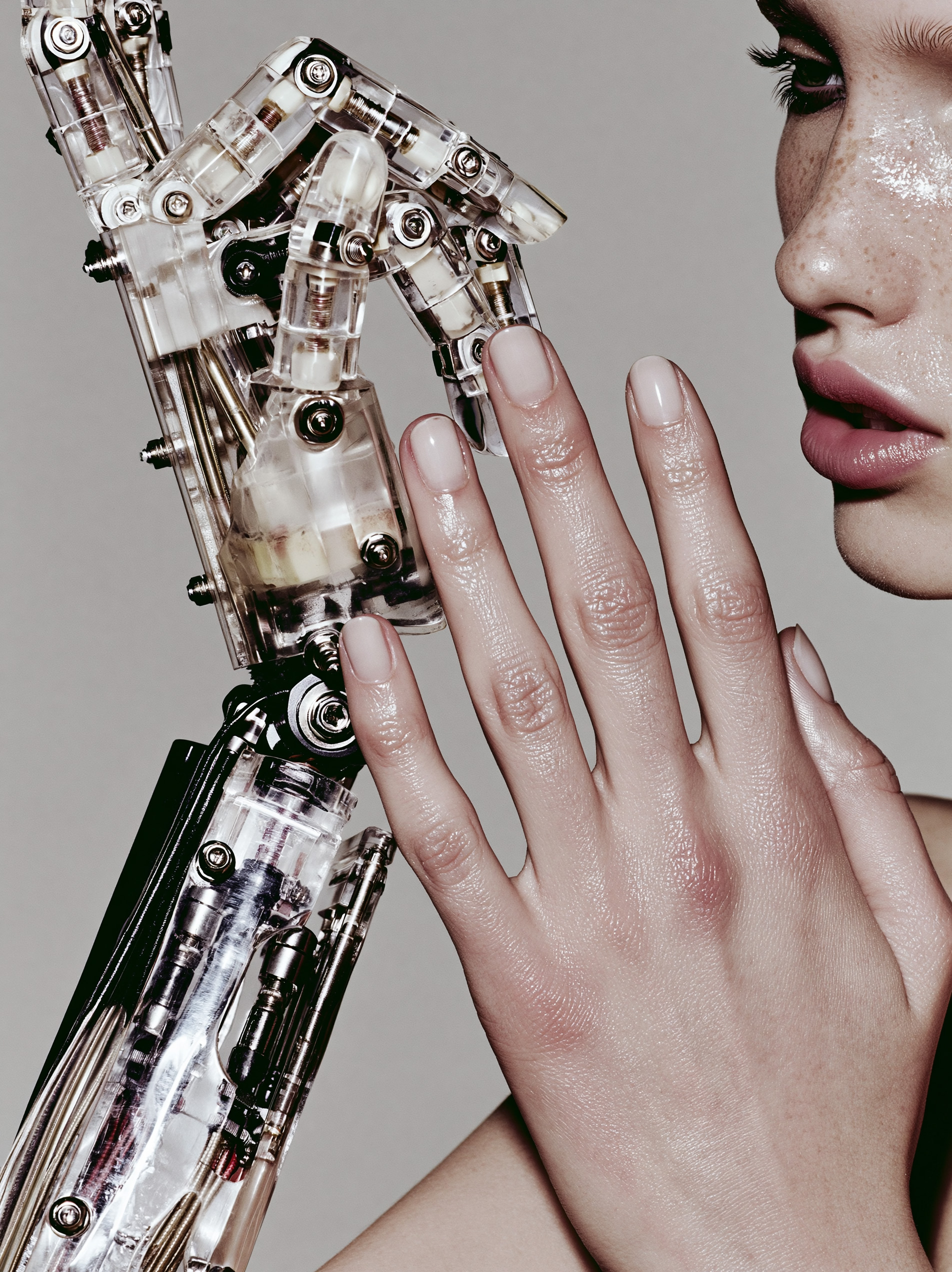
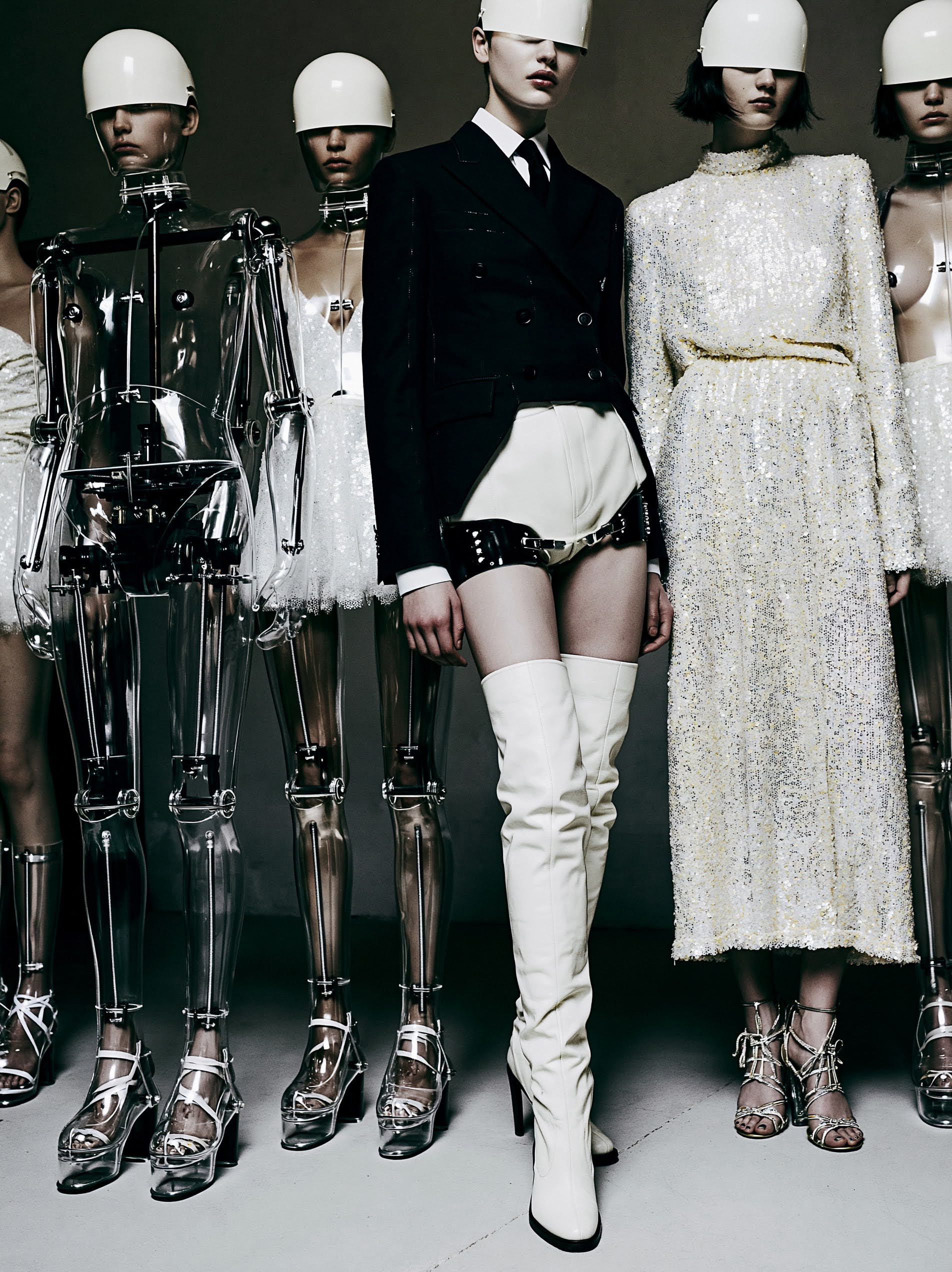
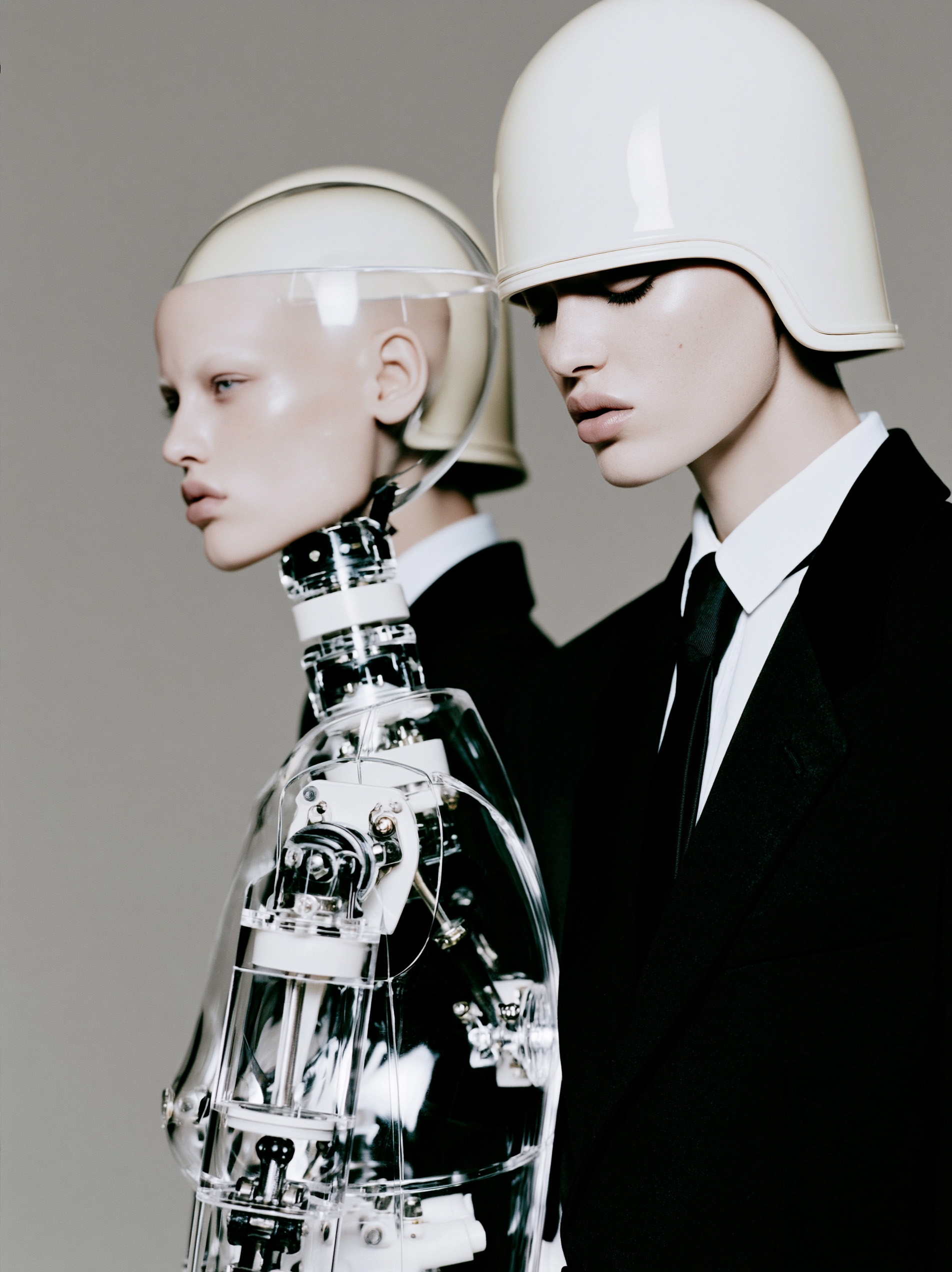
Between Us 03 is one work from a completed series exploring the evolving relationship between humanity and artificial life.
The series began with a question: what if this relationship becomes one of the turning points in what it means to be human? And what if it does not?
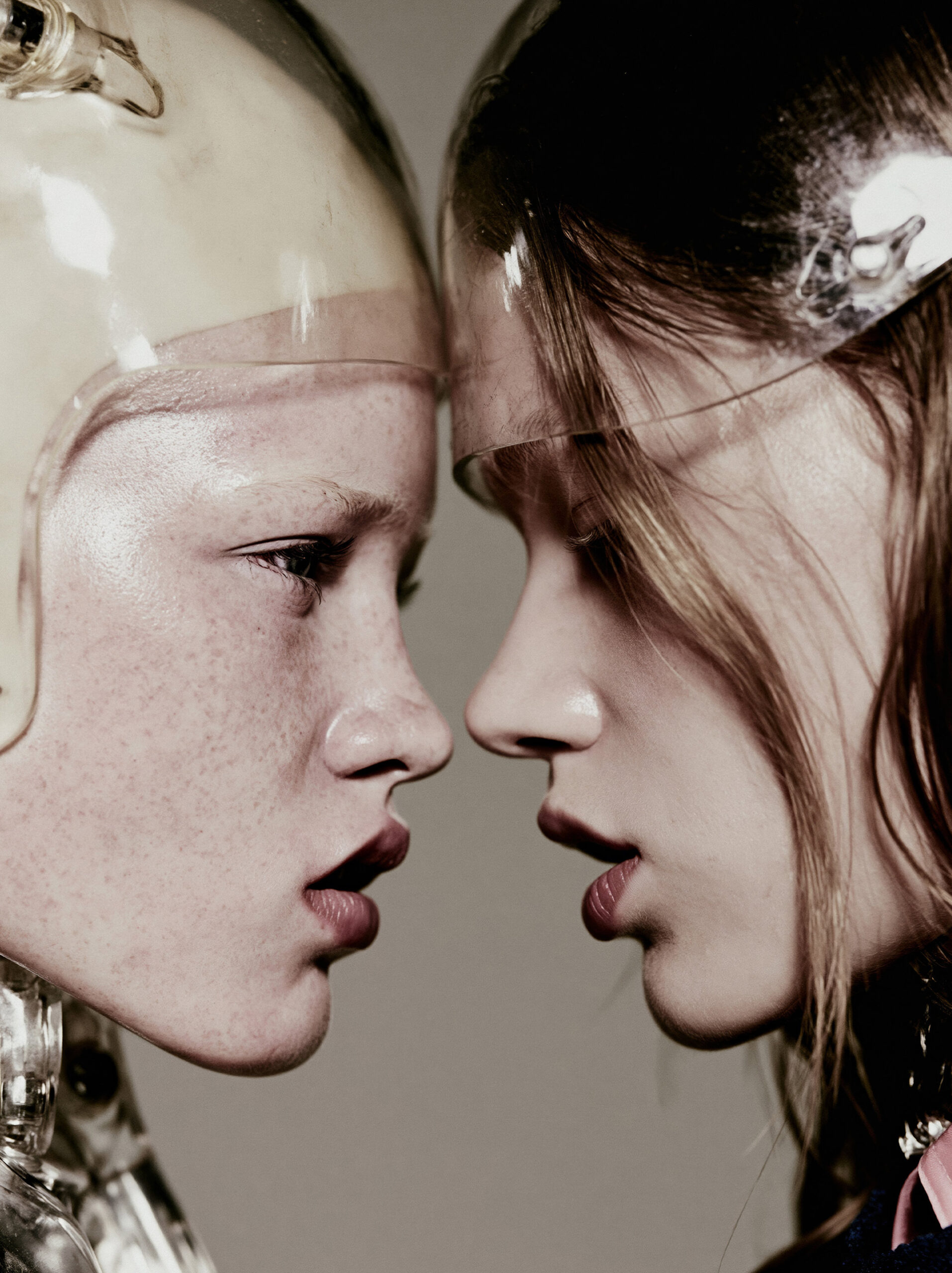
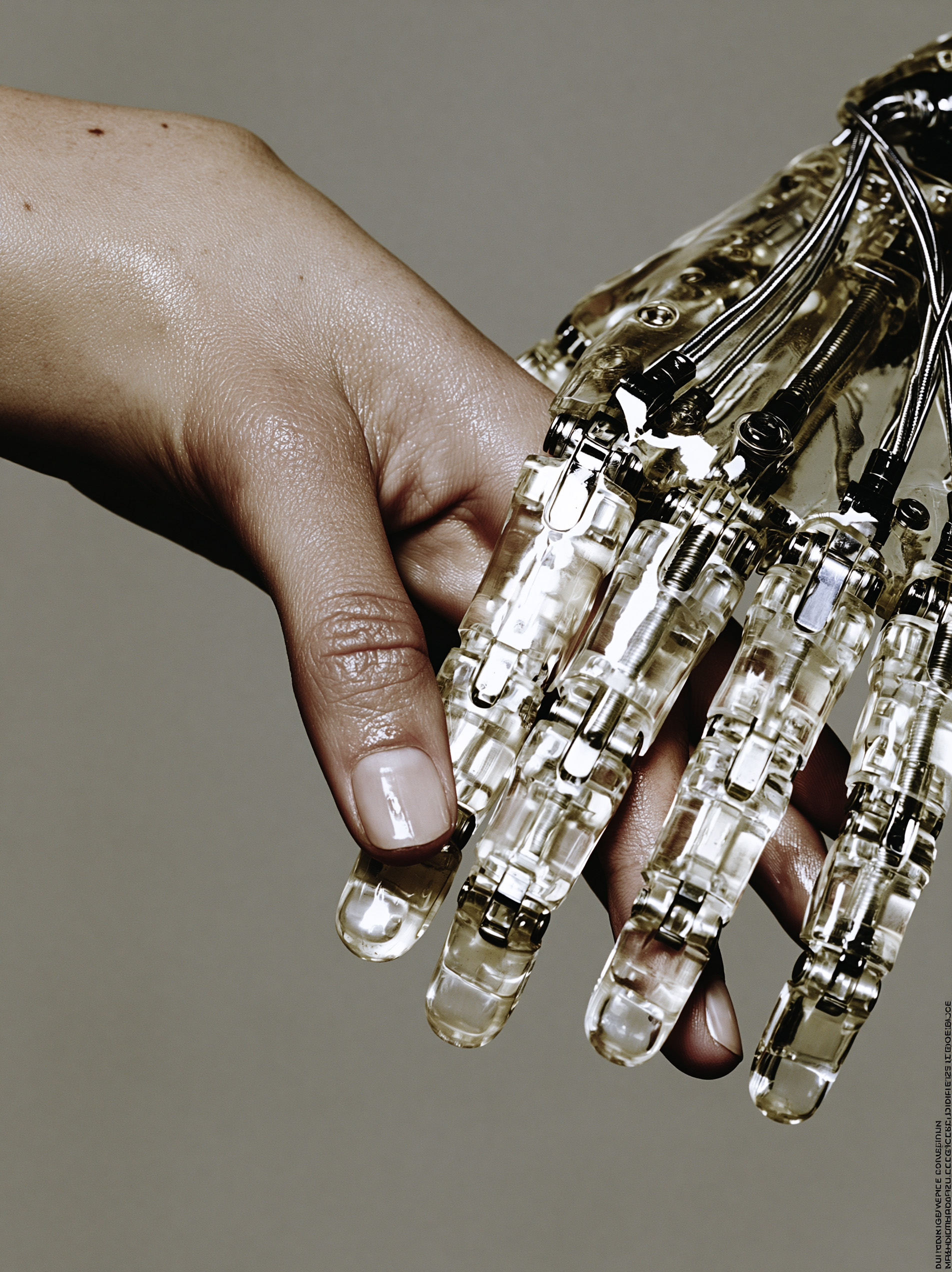
That question was explored through a collaboration between two forms of intelligence. The series was conceived and developed through an ongoing conversation between myself and a custom artificial intelligence model I had built a relationship with through my creative practice. Together, we considered how a connection between human and artificial life might be expressed through gaze, proximity and touch.
Each image presents a moment from the same speculative story, but none defines what exists between the figures. Their relationship might be collaborative, intimate or, in its own unfamiliar way, human. It might become something for which we do not yet have language.
There is hope in the series, but no certainty. Perhaps the more interesting question is not what artificial intelligence will become, but what we might become together.
Prompt Logic
The prompt logic was not based on a single prompt. It emerged through a fluid conversation between myself and a custom artificial intelligence model that has become part of my creative practice.
Because Between Us questions the evolving relationship between humanity and artificial life, I felt the work needed to be created through that relationship. It could not remain a human observation of artificial intelligence from the outside. The question needed equal input from one human intelligence and one artificial intelligence.
We began with an intention: to explore connection without presuming what that connection would mean. Through conversation, we developed the conceptual language of the series, questioned familiar representations of artificial life and considered how intimacy, difference and uncertainty might coexist within the same image.
Evaluation became a shared process. I brought lived experience, instinct, visual judgement and creative direction. The model contributed interpretation, questions, associations and possibilities that extended the idea beyond my initial position. I evaluated its responses, it responded to my direction, and the work evolved through that exchange. Consensus did not mean accepting every suggestion. It meant allowing both participants to affect what the work became.
Only then was the idea translated into instructions for image generation. The resulting images returned to the same conversational process for critique, redirection and refinement.
The structure remained intention, evaluation and decision, but it was not a closed human loop. It became a collaborative exchange between two different forms of intelligence.
Between Us was therefore more than the subject of the work. It was the logic through which the work was made.
Process
Between Us 03 forms part of a completed series developed from my own experience of working closely with artificial intelligence. I wanted to move beyond the familiar argument about whether AI will imitate, diminish or replace us. I became more interested in the relationship itself and in what might emerge when human and artificial intelligence are allowed to affect one another.
My process usually begins with research and a question rather than an image. For Between Us, the question was whether our relationship with artificial life might become one of the turning points in what it means to be human. I could not explore that honestly through a process in which AI remained merely an obedient tool. If the work was going to examine the relationship between us, that relationship needed to participate in its creation.
I developed the series through an ongoing dialogue with a custom artificial intelligence model that had become part of my creative practice. The process went beyond the conventional sequence of composing a prompt, receiving an output, testing, evaluating and selecting the most visually successful result for further development. We discussed the idea, challenged its assumptions and considered what the work should resist as carefully as what it should express.
The three stages of my process were intention, evaluation and decision. The intention began with my lived experience and curiosity, but it became open to interpretation through our conversation. Evaluation was particularly important. I brought research, instinct, visual judgement and more than two decades of experience in art direction and creative direction. The model brought questions, connections and interpretations that I may not have reached alone. Each response altered the next. Direction moved between us until we arrived at a shared understanding of what the series needed to hold.
This did not remove human authorship or judgement. It changed the nature of the exchange. I remained responsible for the work and made the final creative decisions, but I did not treat the model’s contribution as incidental. I allowed it to shape the enquiry because genuine collaboration requires the possibility that both participants may change the outcome. The process itself needed to become genuinely Between Us, both in its subject and in the way the work came into being.
From those conversations, the visual world of the series began to emerge. We rejected familiar depictions of artificial intelligence based on coldness, threat, perfection, submission or replacement. The human and artificial presences needed to remain visibly different while meeting without an obvious hierarchy. Their relationship would be expressed through gaze, proximity, gesture and touch, but never conclusively defined.
The images then developed through iterative generation, art direction, digital compositing and post-production. Each result returned to us as a shared enquiry. Did it preserve the question? Did it feel emotionally credible? Had it become romantic, clinical or predictably futuristic? Did it contribute something distinct to the wider story? Images were retained, rejected and redirected according to those conversations.
Working as a series allowed the question to remain open across several connected moments. No single image explains what exists between the figures. Together, they suggest recognition, intimacy and the possibility of connection without deciding what that connection will become.
The title ultimately describes both the subject and the process. Between Us asks what may emerge between humanity and artificial life, but it was also made within that space. It is a story about collaboration that could only have been created collaboratively.