Diario di una stanza vuota
Short Description
Diary of an Empty Room is an ongoing autobiographical visual project that explores trauma, dissociation, memory, and the fragile construction of identity through artificial intelligence.
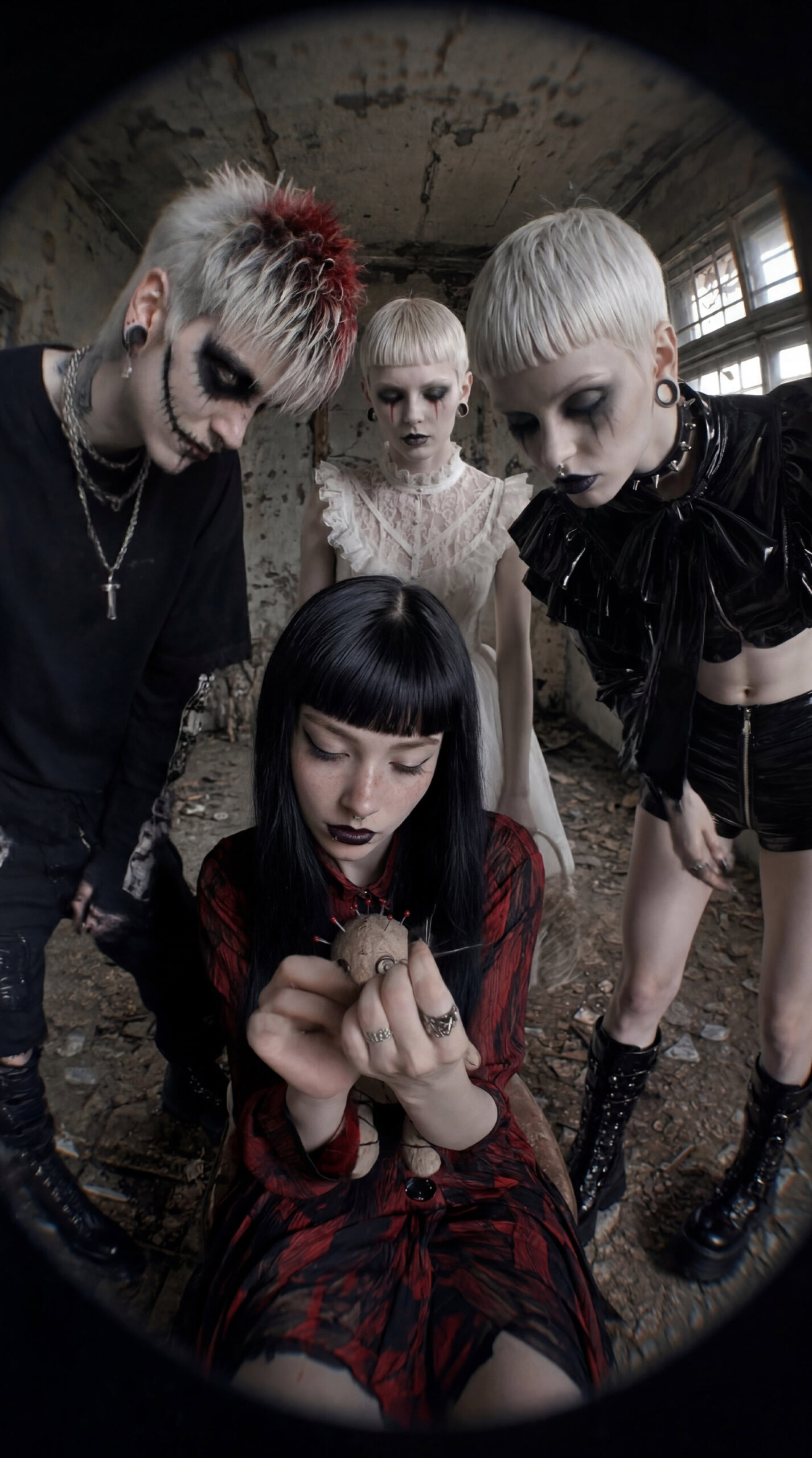
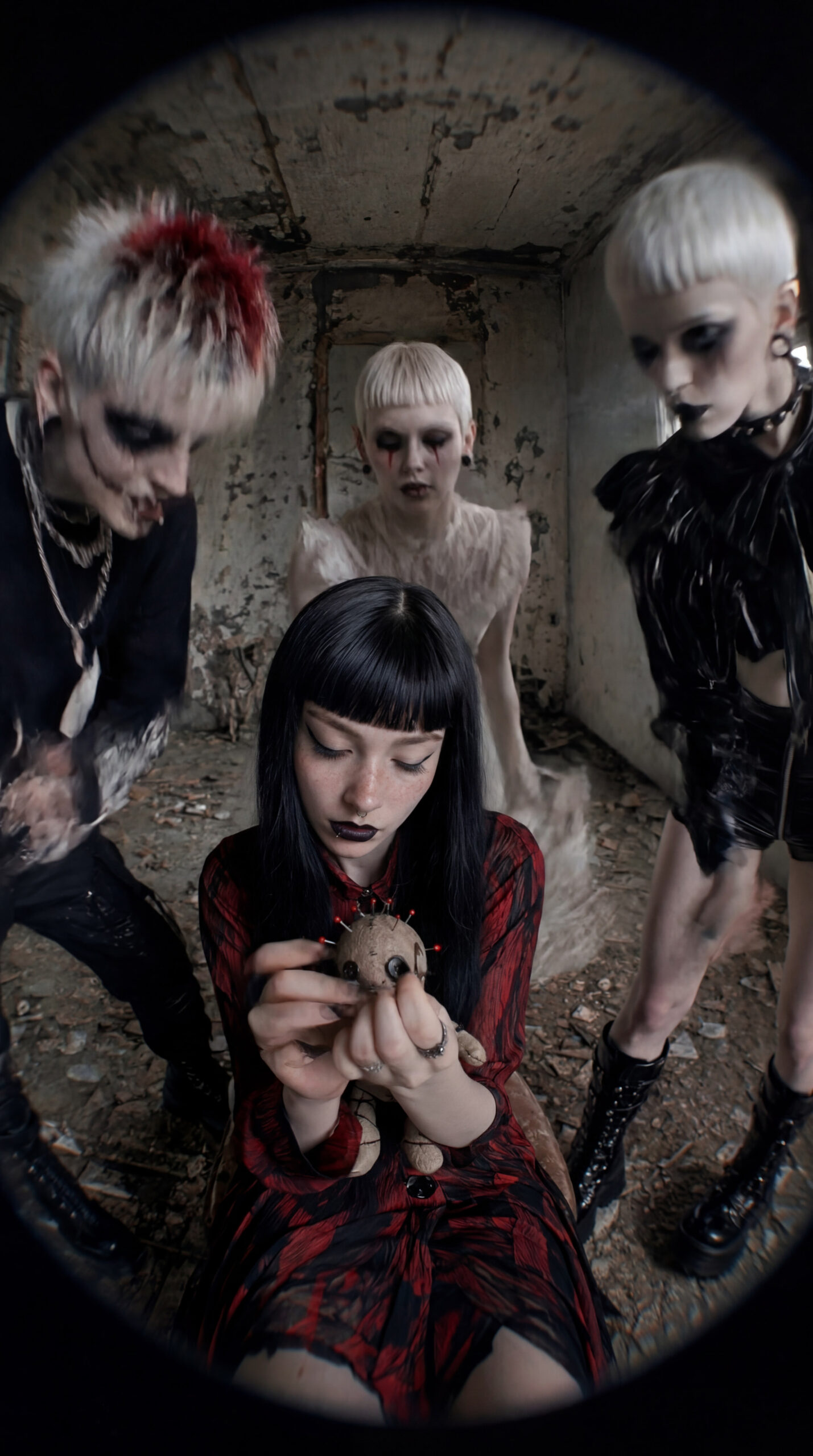
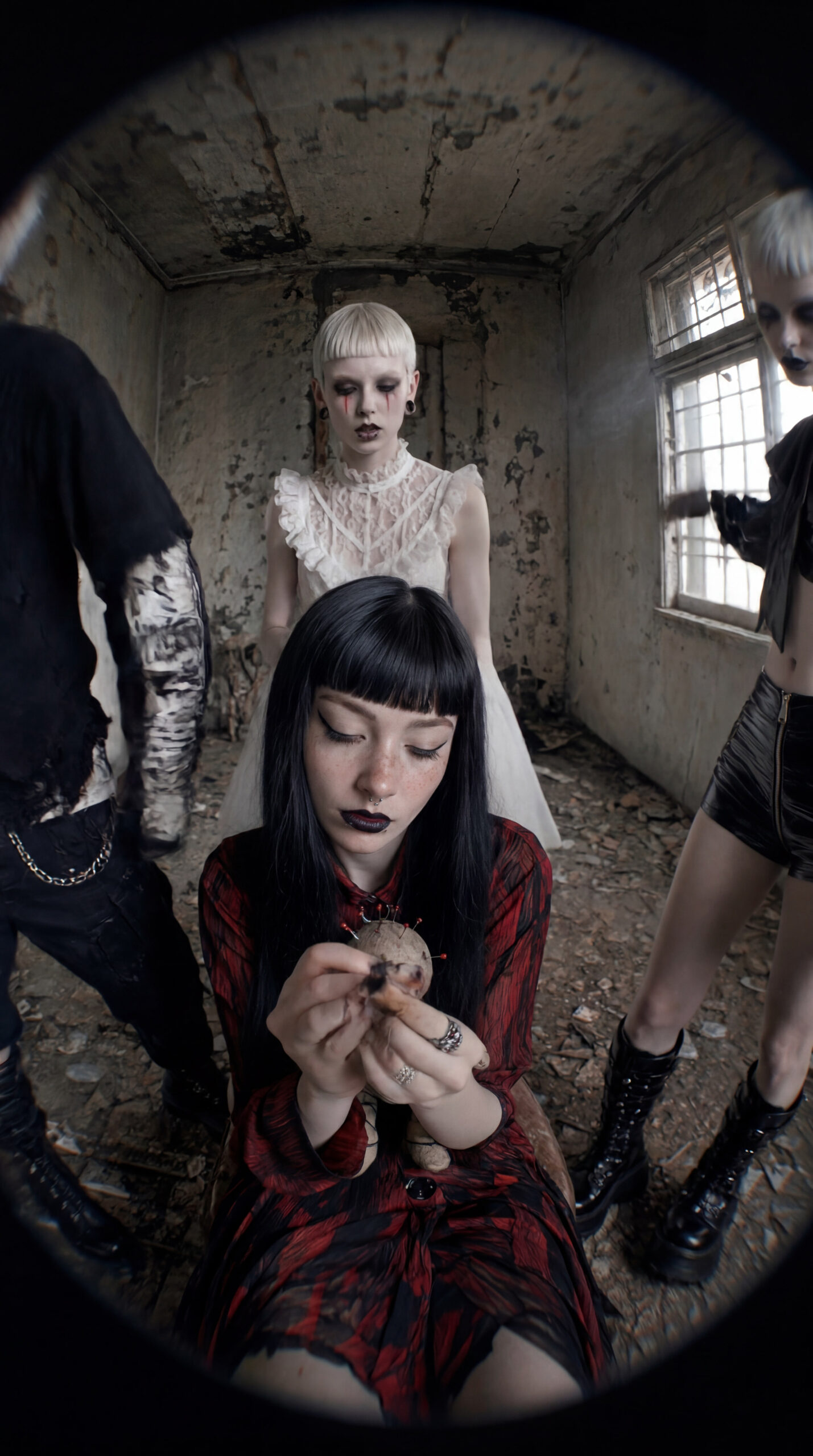
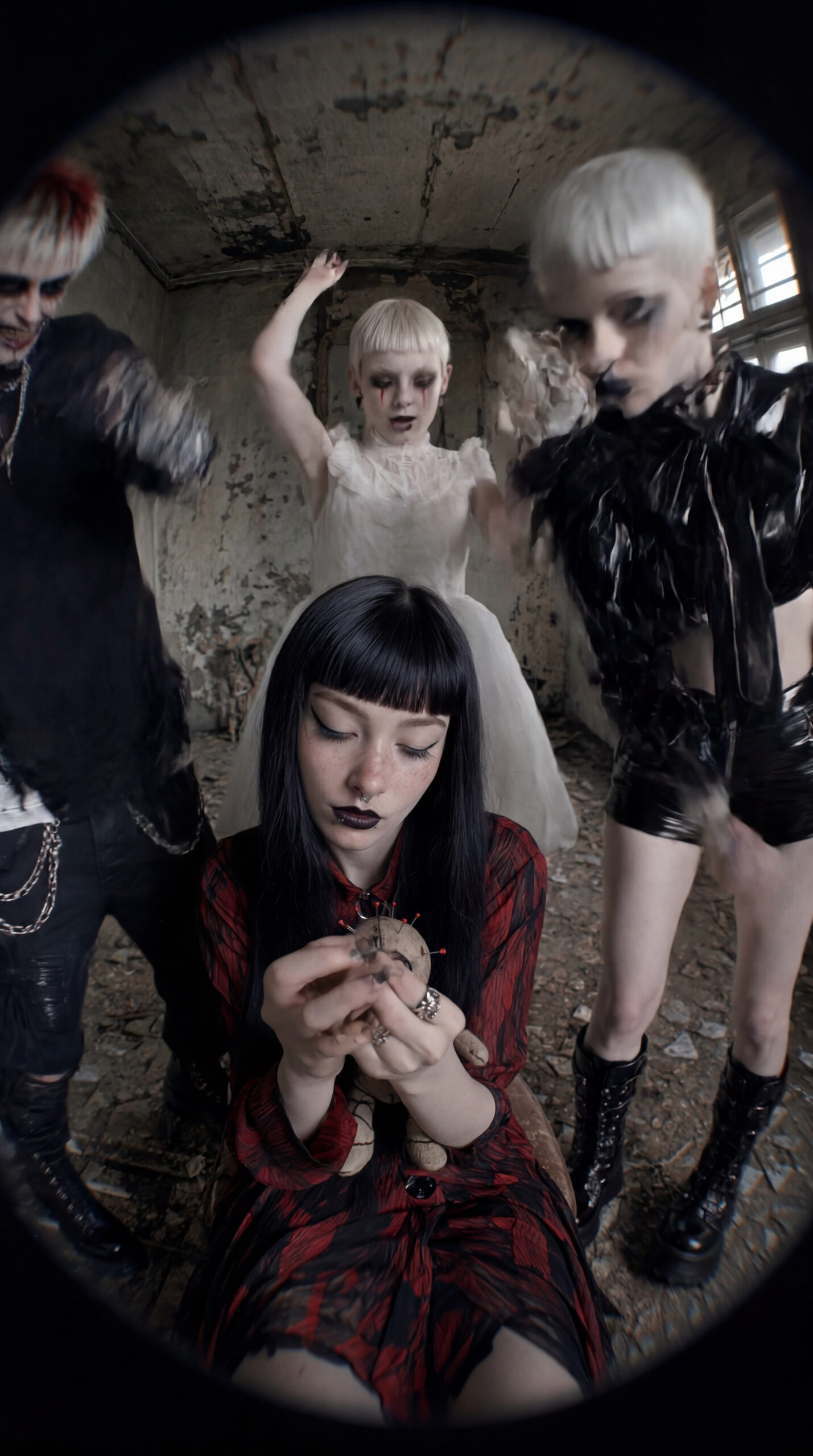
The series originates from personal experiences of abuse and the psychological fragmentation that followed. Rather than illustrating these experiences literally, the images transform them into symbolic spaces where the body, memory, and perception continuously shift. The room becomes a living organism, a psychological landscape in which different identities emerge, coexist, and sometimes replace one another.
Each image represents a fragment of an inner diary. The characters are not fictional inventions but visual manifestations of different emotional and psychological states. Their presence reflects the instability of identity and the attempt to reconstruct a coherent sense of self after trauma.
Artificial intelligence is not used simply as a technical tool but as an active collaborator in the creative process. It allows invisible mental experiences to take visual form, creating images that exist somewhere between photography, memory, dream, and performance.
The project questions the relationship between reality and artificial representation, asking whether an image generated by an artificial system can become an authentic testimony of human experience. Rather than documenting external events, the work documents internal states that cannot easily be photographed.
Diary of an Empty Room is an ongoing research project. Every new image expands the visual diary, transforming personal memory into a shared space where vulnerability, identity, and artificial creation converge.
Prompt Logic
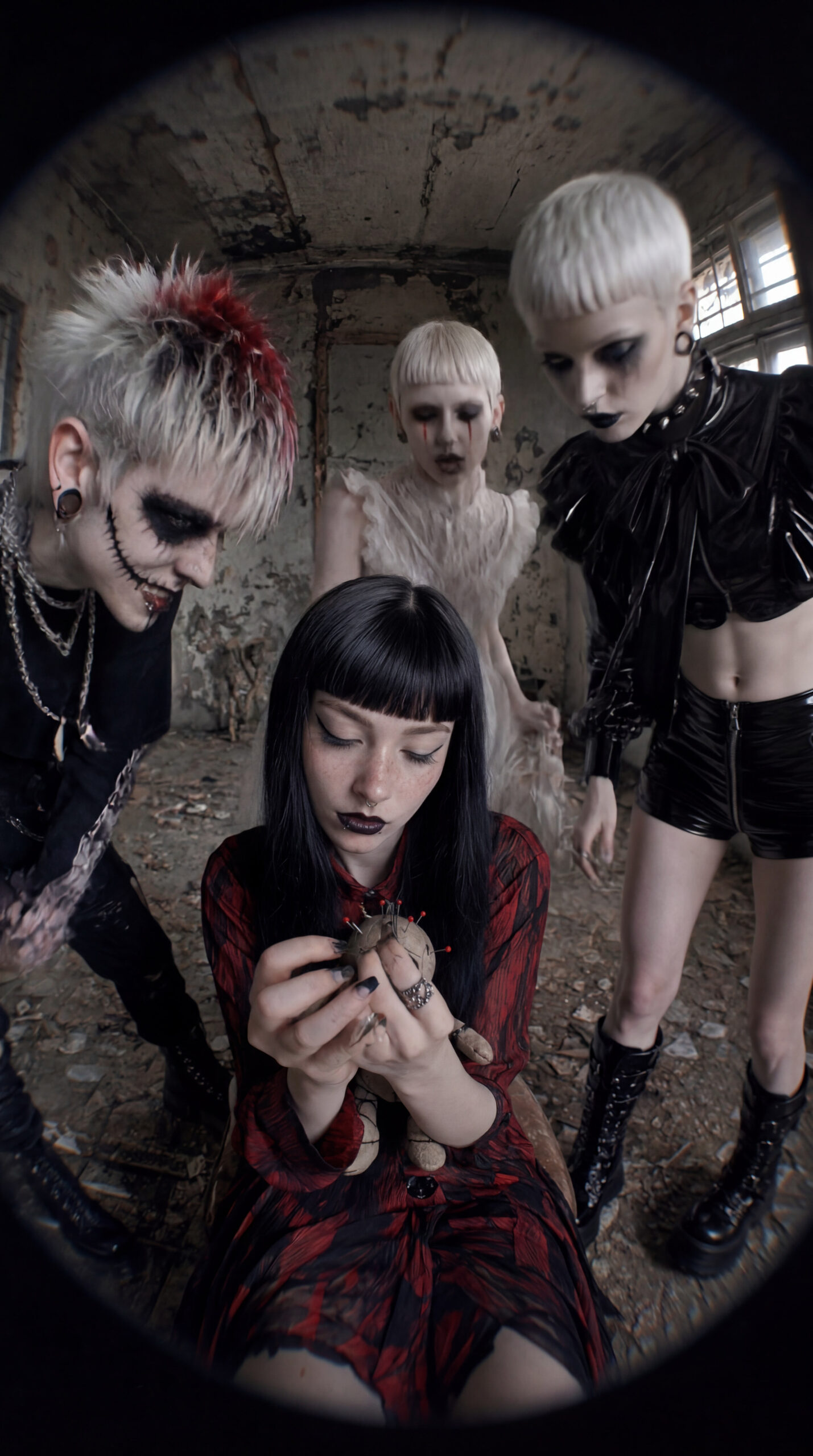
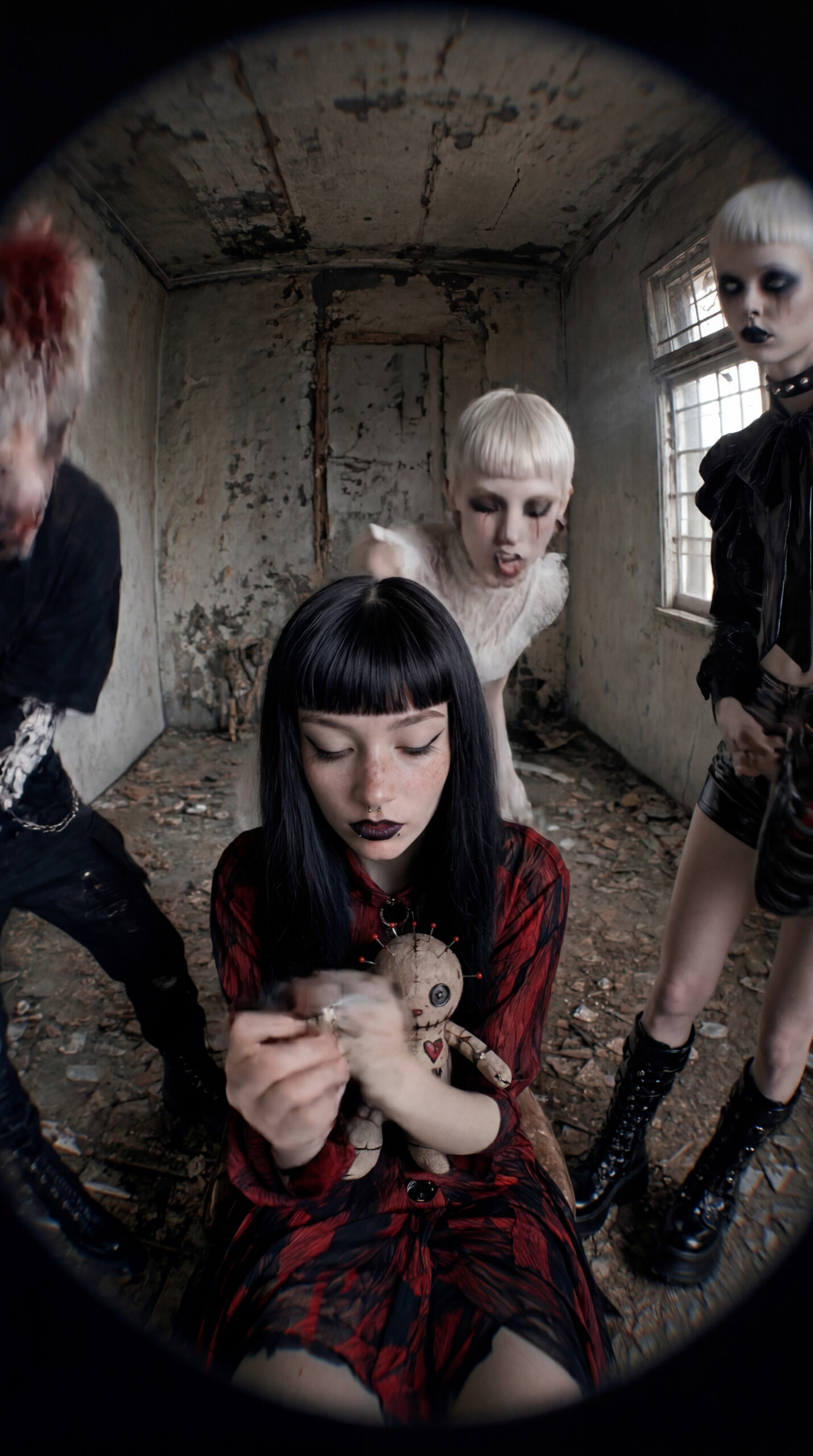
The image was developed through an iterative prompt design process focused on narrative consistency rather than a single generation. Each iteration refined composition, character identity, environment, lighting, color palette, symbolism, and emotional expression. Reference images were used to maintain visual continuity between the characters, while successive refinements balanced realism with psychological storytelling. The final image is the result of careful artistic direction, selection, editing, and high-resolution enhancement rather than a single prompt.
Process
I begin with a personal memory, emotion, or psychological experience. Instead of illustrating it directly, I translate it into a visual language through research, sketching, and iterative AI prompting. The image evolves over multiple generations, with continuous adjustments to composition, lighting, facial expression, symbolism, and narrative coherence. AI is not used to replace artistic intent, but as a performative medium through which the work gradually takes shape. Diary of an Empty Room originates from my autobiographical research on trauma, dissociation, and memory. The greatest challenge was not achieving realism, but creating an image capable of conveying an internal psychological state without becoming descriptive. The final composition is the result of many iterations, where each modification brought the work closer to the emotional truth I wanted to express. The accompanying image sequence documents part of this evolution, showing how the visual narrative was refined throughout the creative process.